The best part of FAST TV is the choice it takes away

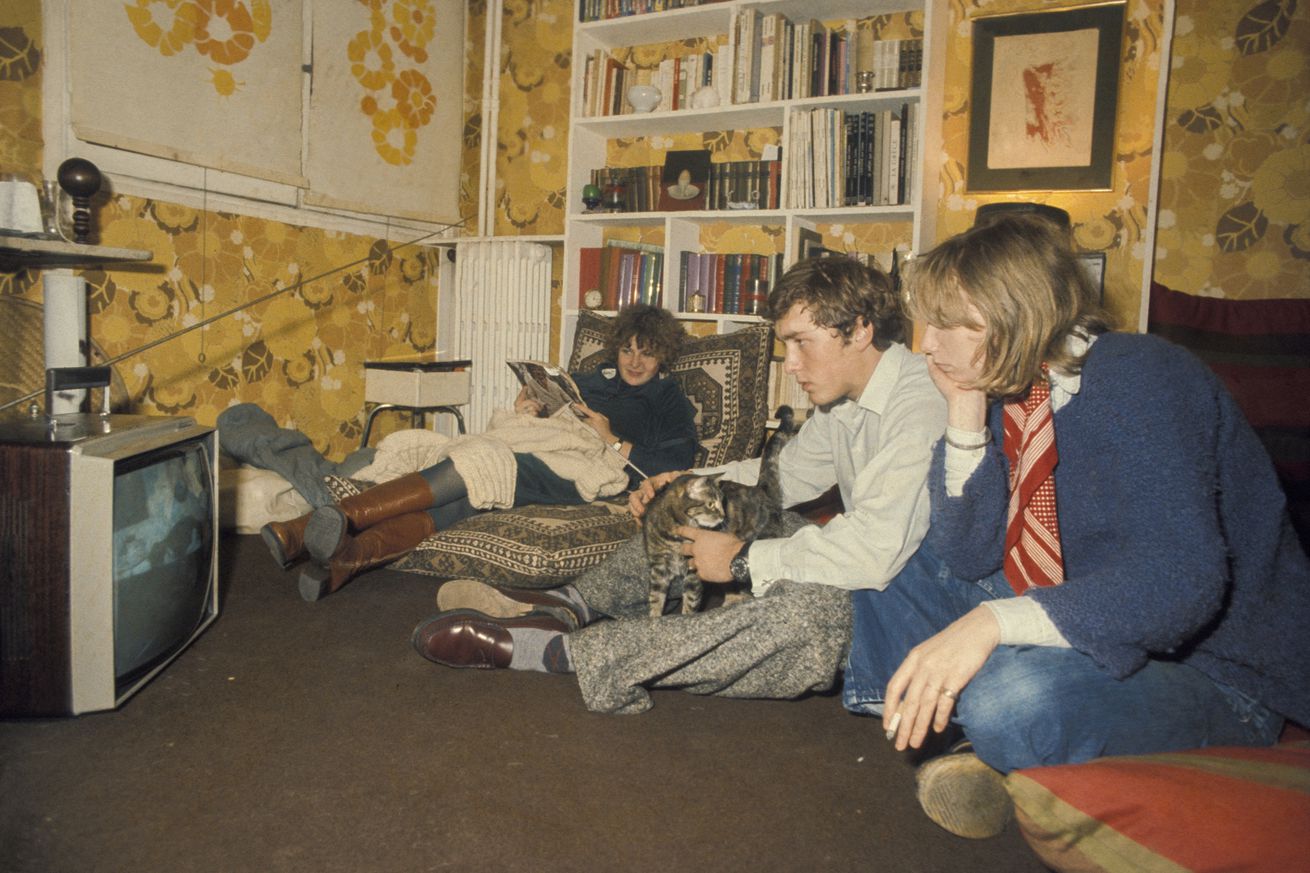
A group of adults sit in a living room in ’70s. They are on the floor watching a TV also on the floor with rapt attention.
FAST TV makes it very easy to just zone out and not stress, like broadcast TV did once before. | Photo by François LOCHON/Gamma-Rapho via Getty Images

I’ve been watching TV on demand for over 20 years. Well before streaming, I was picking up the whole run of The Sopranos from the college library and making my way through the seasons. When I graduated, I kept the habit, preferring to watch things from DVD box sets rather than just zoning out in front of the television. Even when I visit family now, I’m the obnoxious one who always has a show they want to watch on Netflix or HBO Max instead of 12 episodes in a row of House Hunters on HGTV. But lately, I’ve been using Pluto TV, and I’ve found myself realizing just how relaxing it is to just let go.

Pluto TV is part of a subcategory of streaming called Free Ad-Supported Television, or FAST. There’s some on-demand content and features, but...

Continue reading…


from The Verge - All Posts https://ift.tt/HVxTi9S

Comments

Popular posts from this blog

Pandora Stories lets artists add commentary to their own playlists

Pandora launched Stories today, a tool that lets artists and creators add voice commentary to their own playlists. The Stories feature merges podcasts with music playlists, and is meant for artists to add context to an album, or for podcasters to experiment with new storytelling formats. The feature is part of Pandora AMP, the streaming service’s free Artist Marketing Platform that helps creators promote their work. To kick off the launch, Pandora’s prepared some Stories by artists like John Legend and Daddy Yankee, who tell listeners their personal stories interspersed between their own songs. There’s also a Stories playlist called Love Songs That Aren’t Really Love Songs , which includes commentary on individual songs like a podcast... Continue reading… from The Verge - All Posts https://ift.tt/2Xz1oNc

Instagram’s updated algorithm prioritizes original content instead of rip-offs

Image: Kristen Radtke / The Verge Instagram is making significant changes to how its system recommends content, with a focus on original content and increased distribution for smaller accounts. The slew of changes were announced by the company in a blog post today. The biggest change deals with aggregators — accounts that download or screenshot other users’ videos and photos and repost them. Sometimes aggregators will credit the original poster by tagging them in the post or caption, but often, content is wholesale ripped off with no acknowledgment, and engagement is siphoned off from the person who created the content in the first place. Instagram clearly has a problem with this and will begin removing reposted content from recommendations across the platform. The... Continue reading… from The Verge - All Posts https://ift.tt/ECgcPAU

We asked camera companies why their RAW formats are all different and confusing

When you set up a new camera, or even go to take a picture on some smartphones, you’re presented with a key choice: JPG or RAW? JPGs are ready to post just about anywhere, while RAWs yield an unfinished file filled with extra data that allows for much richer post-processing. That option for a RAW file (and even the generic name, RAW) has been standardized across the camera industry — but despite that, the camera world has never actually settled on one standardized RAW format. Most cameras capture RAW files in proprietary formats, like Canon’s CR3, Nikon’s NEF, and Sony’s ARW. The result is a world of compatibility issues. Photo editing software needs to specifically support not just each manufacturer’s file type but also make changes for each new camera that shoots it. That creates pain for app developers and early camera adopters who want to know that their preferred software will just work. Adobe tried to solve this problem years ago with a universal RAW form...