Thanks to the Rickroll, ‘Never Gonna Give You Up’ hits 1 billion YouTube plays

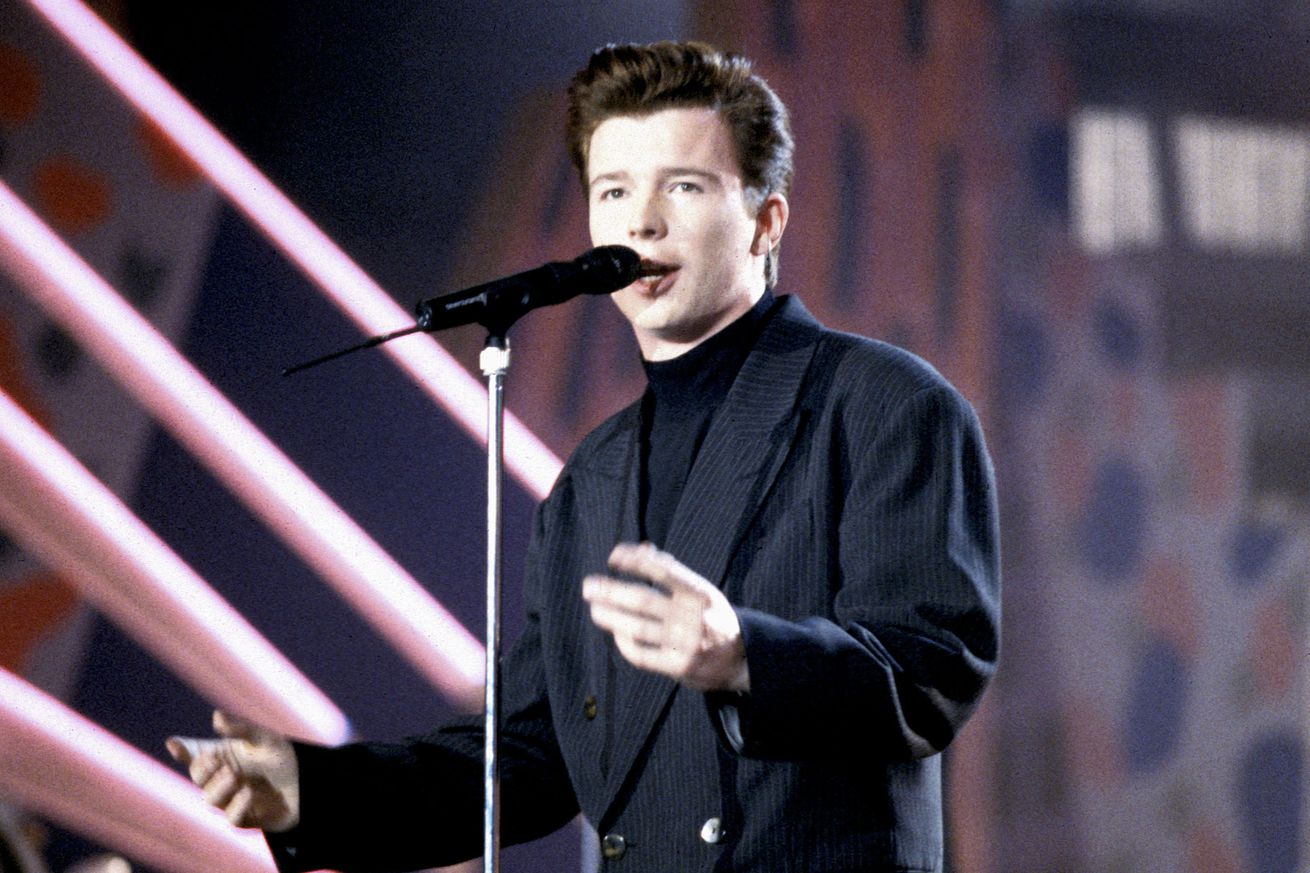
Photo of Rick ASTLEY
Photo by Bernd Muller/Redferns

The official video for Rick Astley’s 1987 hit “Never Gonna Give You Up” has surpassed 1 billion plays on YouTube. The song became a lasting part of internet culture thanks to the Rickroll meme and reached the impressive milestone a couple days ago. Astley took to the video’s comments to share his gratitude, saying “amazing, crazy, wonderful!” In a video posted to Instagram, he added “the world is a wonderful and beautiful place, and I am very lucky.”

With some songs having crossed as many as 7 billion views in recent years, the 1 billion club isn’t quite as prestigious as it once was. But the achievement goes to show the staying power of the Rickroll prank. The video hit daily views of 2.3 million on April Fools Day, according to B...

Continue reading…


from The Verge - All Posts https://ift.tt/3rS6wLN

Comments

Popular posts from this blog

Pandora Stories lets artists add commentary to their own playlists

Pandora launched Stories today, a tool that lets artists and creators add voice commentary to their own playlists. The Stories feature merges podcasts with music playlists, and is meant for artists to add context to an album, or for podcasters to experiment with new storytelling formats. The feature is part of Pandora AMP, the streaming service’s free Artist Marketing Platform that helps creators promote their work. To kick off the launch, Pandora’s prepared some Stories by artists like John Legend and Daddy Yankee, who tell listeners their personal stories interspersed between their own songs. There’s also a Stories playlist called Love Songs That Aren’t Really Love Songs , which includes commentary on individual songs like a podcast... Continue reading… from The Verge - All Posts https://ift.tt/2Xz1oNc

Instagram’s updated algorithm prioritizes original content instead of rip-offs

Image: Kristen Radtke / The Verge Instagram is making significant changes to how its system recommends content, with a focus on original content and increased distribution for smaller accounts. The slew of changes were announced by the company in a blog post today. The biggest change deals with aggregators — accounts that download or screenshot other users’ videos and photos and repost them. Sometimes aggregators will credit the original poster by tagging them in the post or caption, but often, content is wholesale ripped off with no acknowledgment, and engagement is siphoned off from the person who created the content in the first place. Instagram clearly has a problem with this and will begin removing reposted content from recommendations across the platform. The... Continue reading… from The Verge - All Posts https://ift.tt/ECgcPAU

We asked camera companies why their RAW formats are all different and confusing

When you set up a new camera, or even go to take a picture on some smartphones, you’re presented with a key choice: JPG or RAW? JPGs are ready to post just about anywhere, while RAWs yield an unfinished file filled with extra data that allows for much richer post-processing. That option for a RAW file (and even the generic name, RAW) has been standardized across the camera industry — but despite that, the camera world has never actually settled on one standardized RAW format. Most cameras capture RAW files in proprietary formats, like Canon’s CR3, Nikon’s NEF, and Sony’s ARW. The result is a world of compatibility issues. Photo editing software needs to specifically support not just each manufacturer’s file type but also make changes for each new camera that shoots it. That creates pain for app developers and early camera adopters who want to know that their preferred software will just work. Adobe tried to solve this problem years ago with a universal RAW form...